2500 Nautical Miles - Three Boats
One Unforgettable Adventure
Greenline 40 Cruise To Alaska
Q & A WITH CHRIS REED - CAPTAIN OF LIGHTWAVE
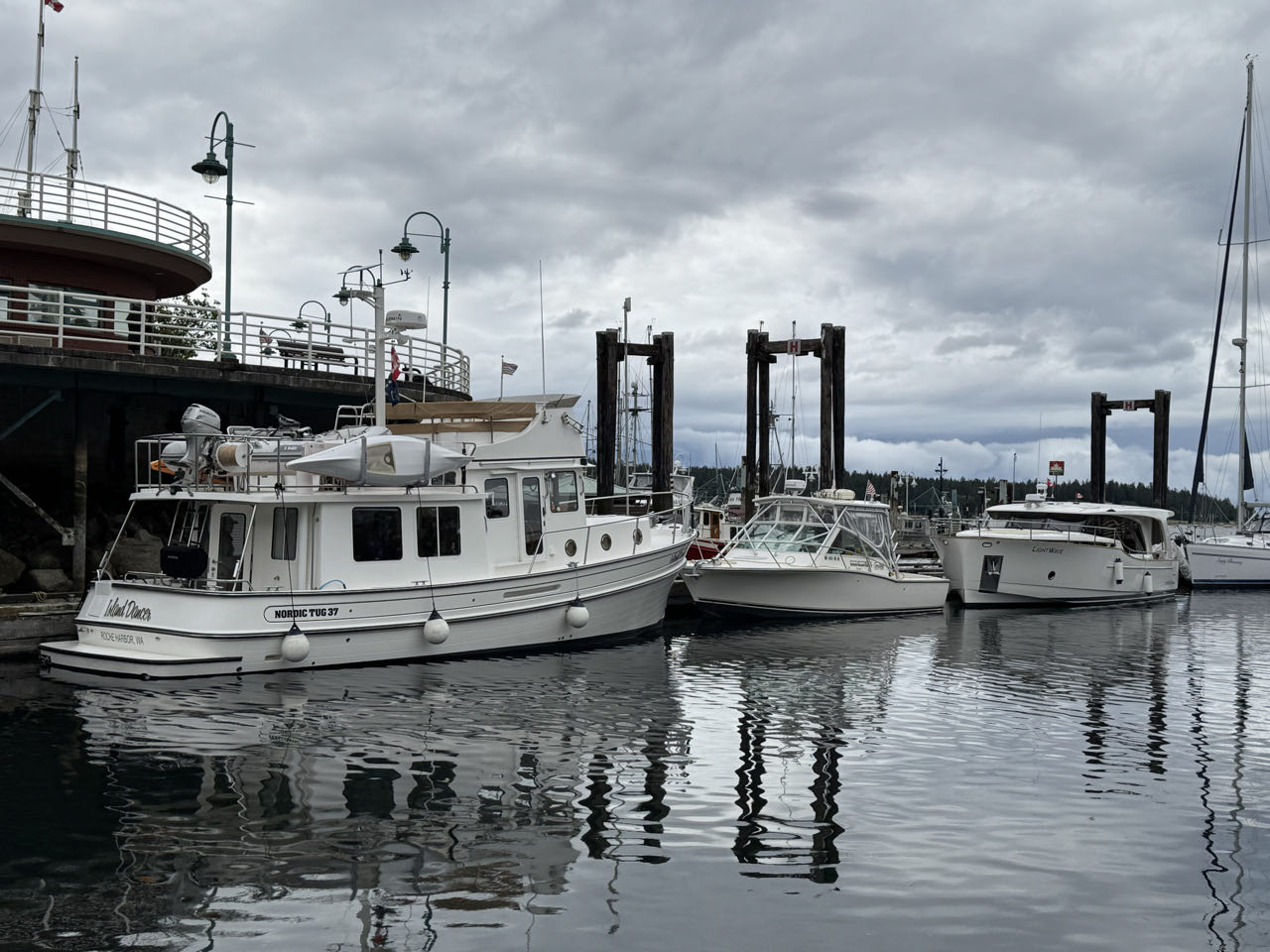
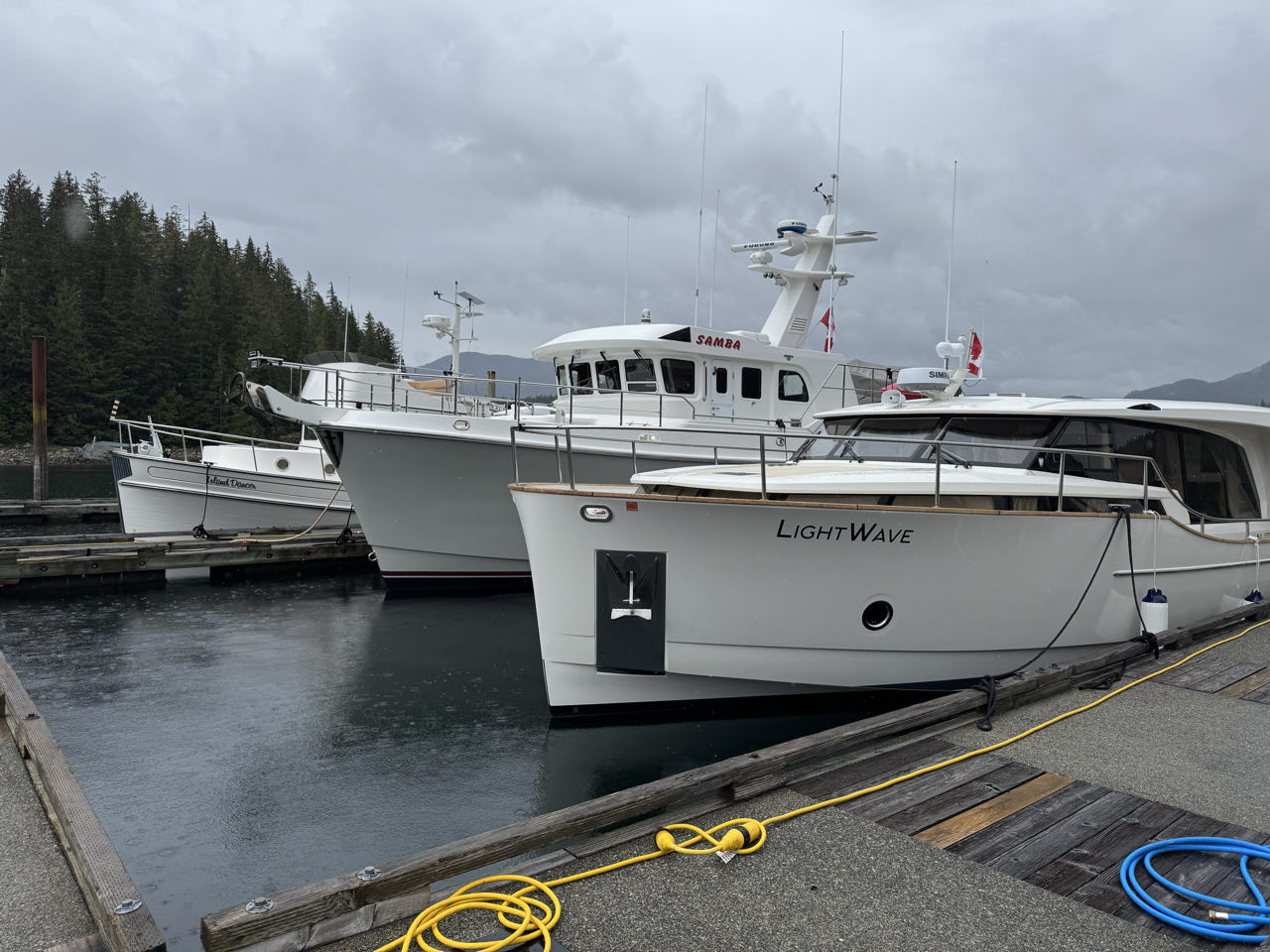
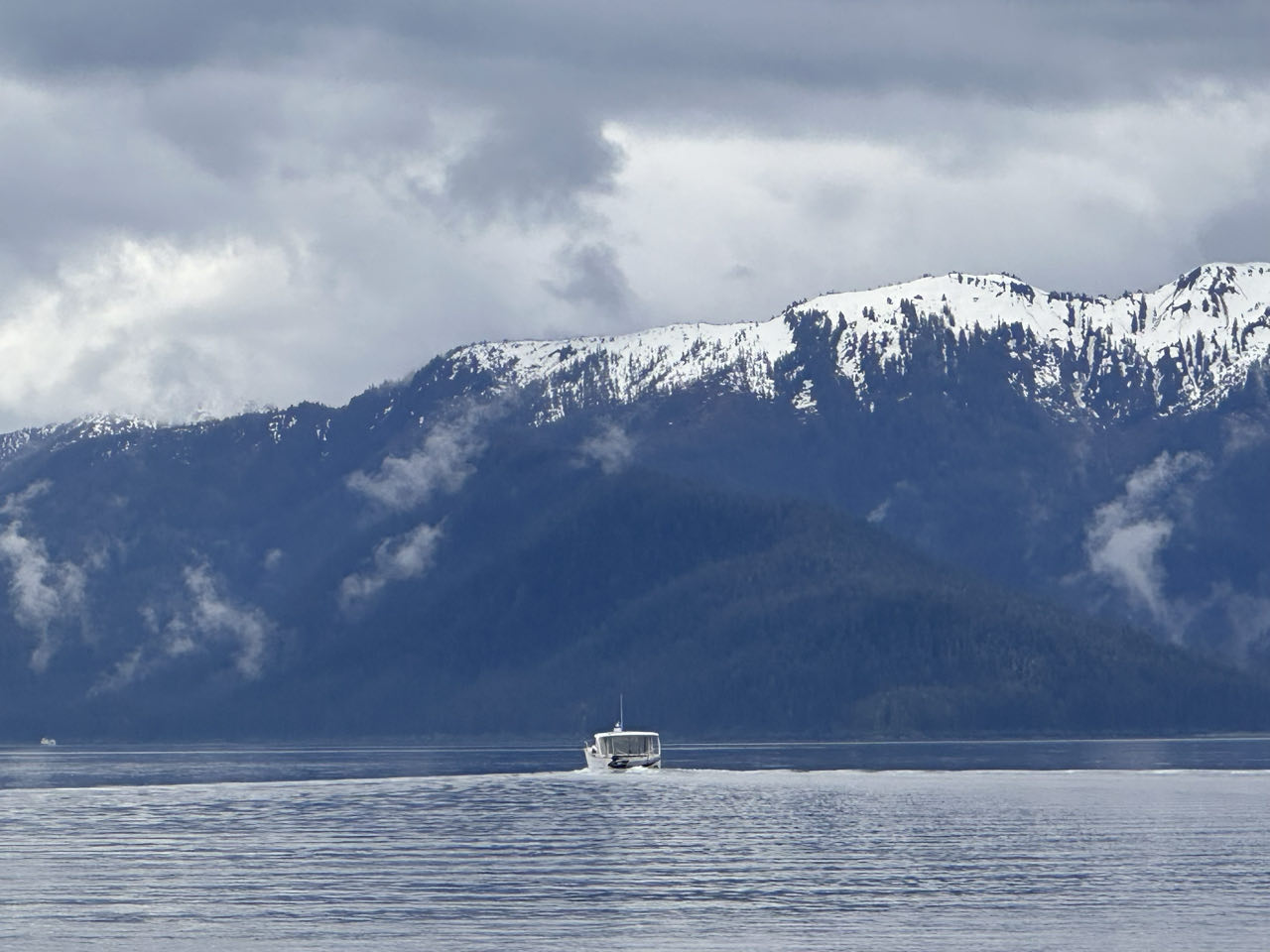
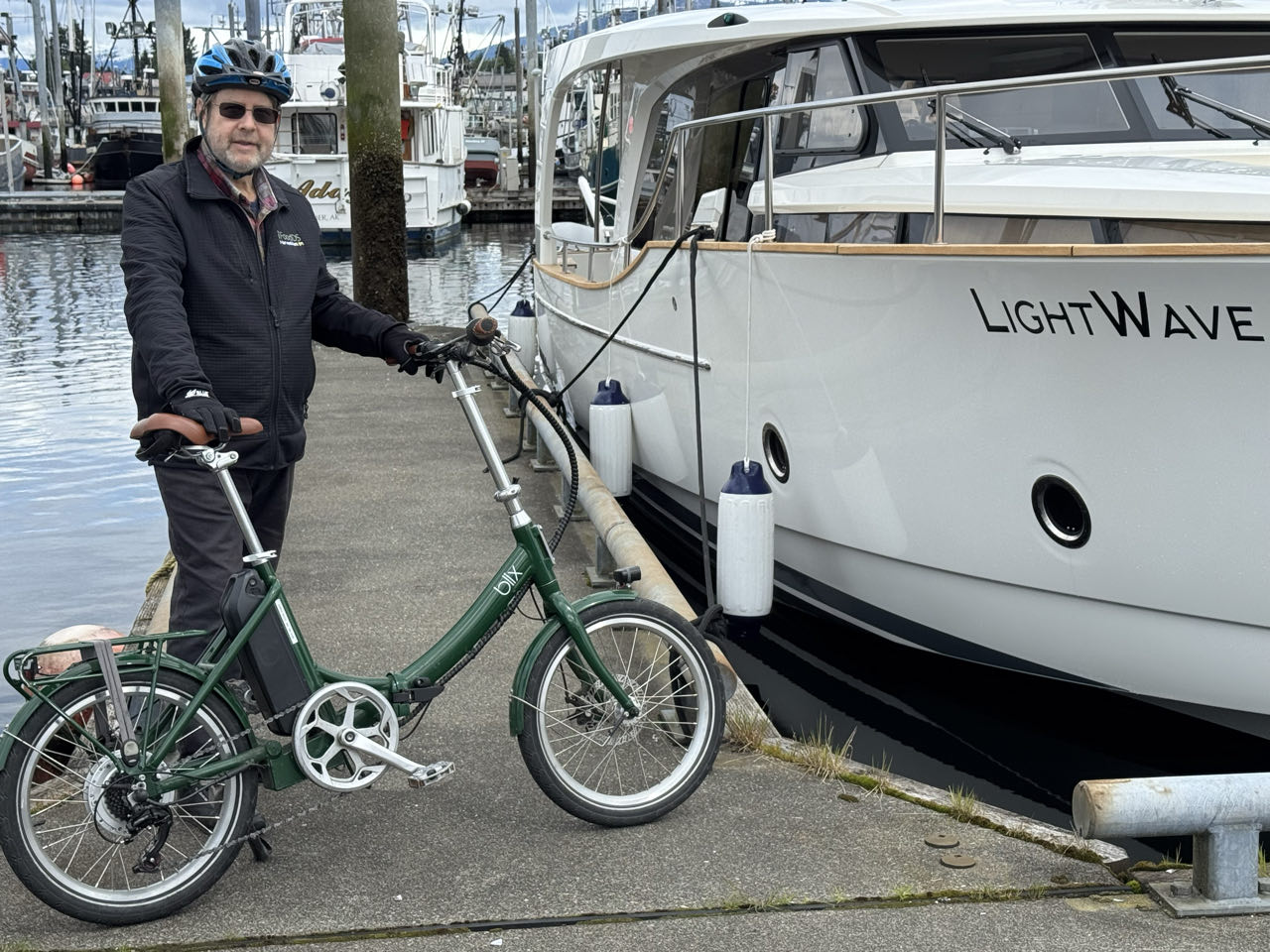
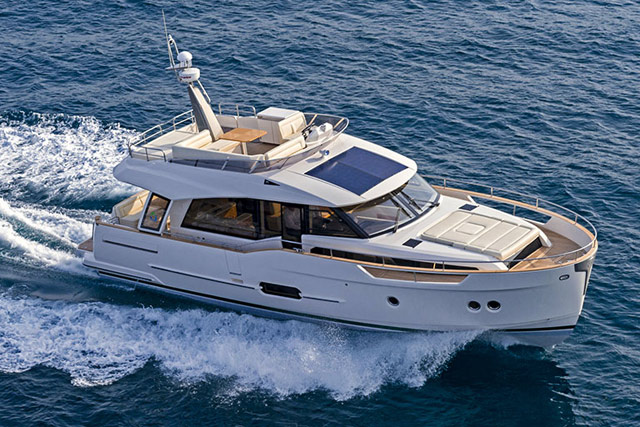
When Chris Reed and his flotilla of three boats—Light Wave (a Greenline 40 Hybrid), Big Steam, and Island Dancer—altogether departed from the Pacific Northwest, they were setting out on more than just a trip. They were answering the call of the wild. Over 64 days, the group navigated some of the most scenic, remote, and occasionally unforgiving waters of the Pacific coastline—from Washington’s San Juan Islands, up through British Columbia, and deep into the glacial fjords of Southeast Alaska.
The numbers tell one part of the story:
-
2,500 nautical miles traveled
-
46 nautical miles per day on average
-
10% of distance covered in electric-only mode
-
1,000 gallons of diesel burned (2.4 nm/gal efficiency)
-
53% of nights spent in marinas, 36% at anchor, 11% on public docks
But the real heart of this adventure lies in the silence of electric cruising through iceberg fields, the camaraderie of a flotilla dinner in a remote anchorage, and the warm spring-fed pools tucked into mountain backdrops—moments only a voyage like this can offer.
THE CANADIAN COASTLINE: A CRUISER’S DREAM
The journey officially launched from Friday Harbor, WA, with stops in Sidney and Snug Harbor, before the flotilla crossed into British Columbia, Canada.
Highlights of the BC Leg:
-
Nanaimo, Comox & Campbell River: These bustling coastal towns served as key overnight stops. In each case, Light Wave used electric mode to cruise the final 8–10 miles into port—saving fuel, reducing noise, and preserving the natural serenity of the region.
-
Blind Channel Resort & Port McNeill: Remote yet welcoming, these were crucial fueling and rest points as the group prepared to push northward.
-
Cape Caution to Pruth Bay: One of the first significant open water stretches, Cape Caution’s reputation demands respect. The Greenline’s efficient hull and power options gave the crew flexibility to pick their weather window.
-
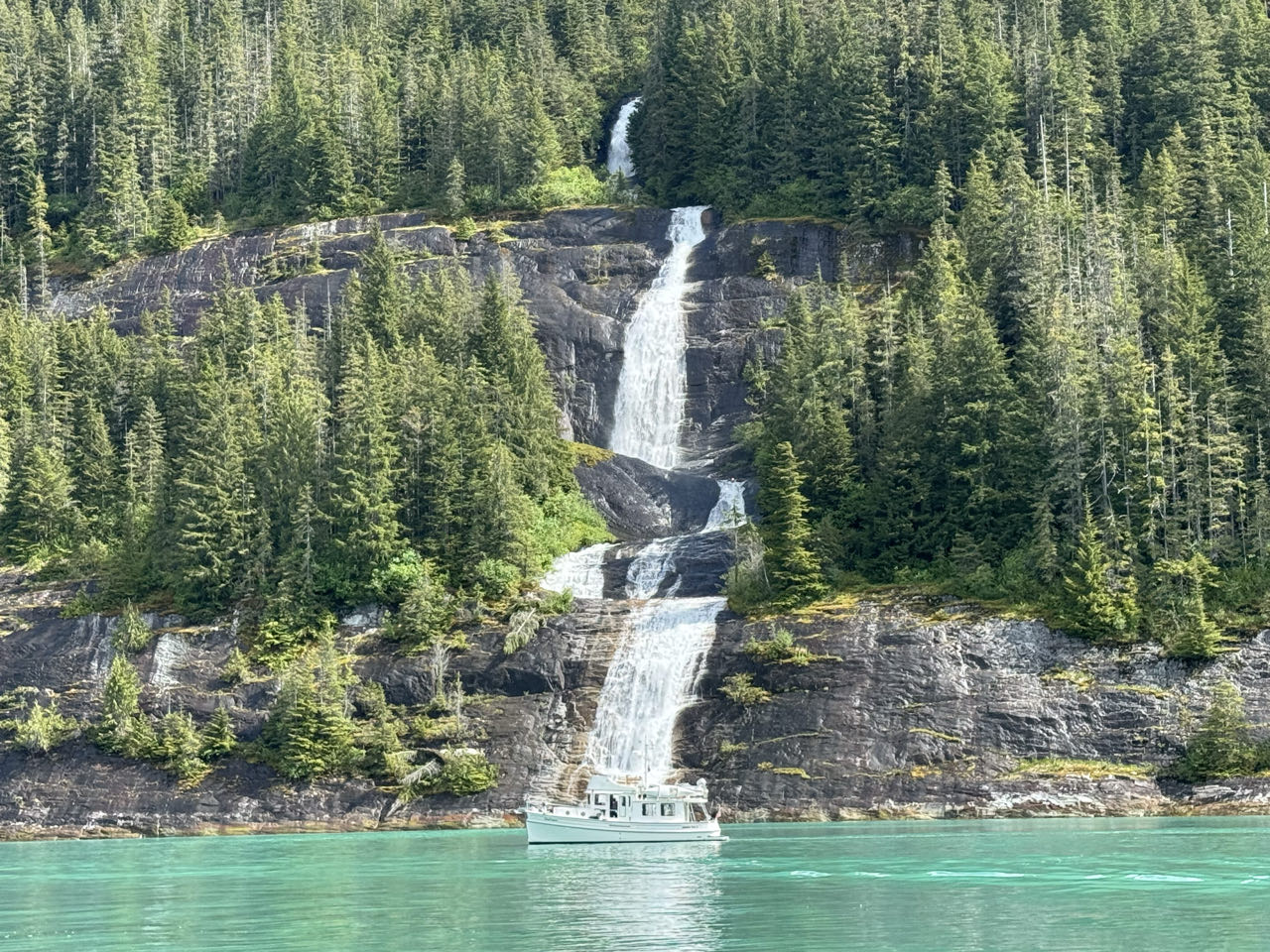
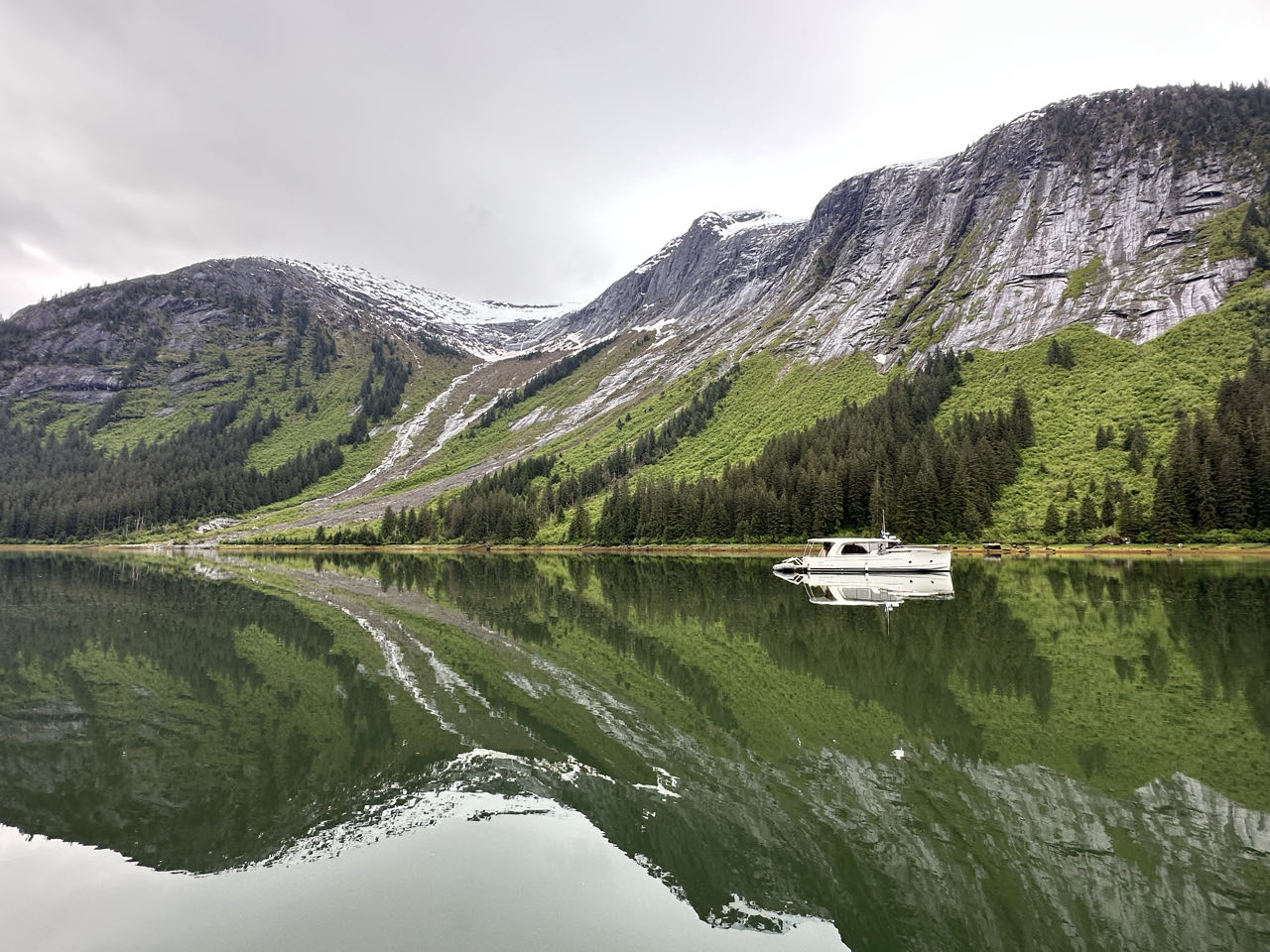
Khutze & Klewnuggit Inlets: Remote anchorages like these define cruising in the BC wilderness. Towering cliffs, cascading waterfalls, and utter stillness enveloped the flotilla.
-
Prince Rupert: The northernmost major stop in BC, this port offered a place to regroup, stock up, and prepare for the crossing into Alaska.
ALASKA: WHERE THE WILD MEETS THE WONDROUS
Crossing Dixon Entrance, the flotilla hoisted the Alaska State Flag and entered a new phase of the journey. This certainly wasn’t just about navigating—it was about discovery.
Iconic Alaskan Highlights:
-
Ketchikan: A bustling frontier town and cultural melting pot, Ketchikan provided a three-day break to rest and explore.
-
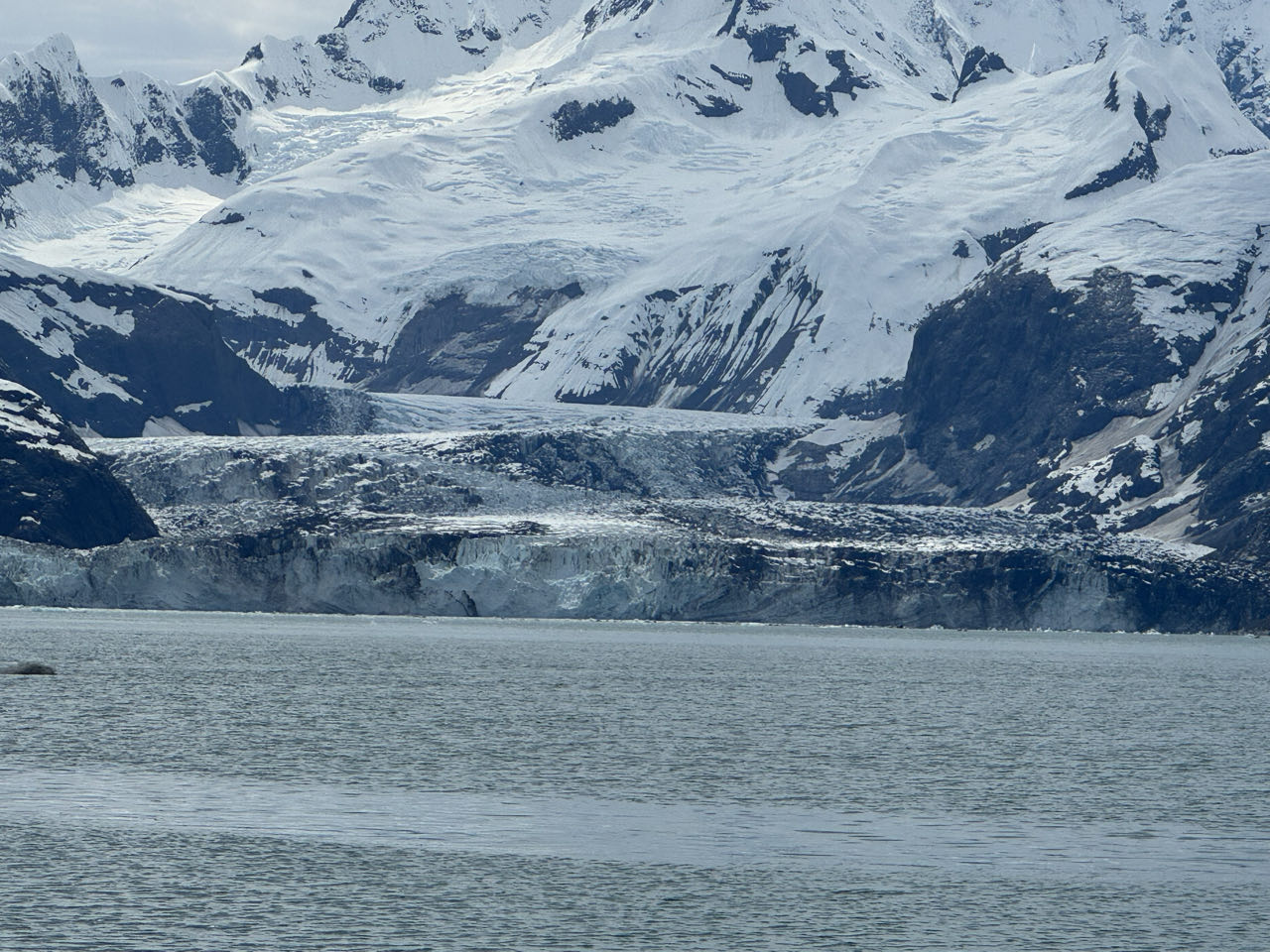
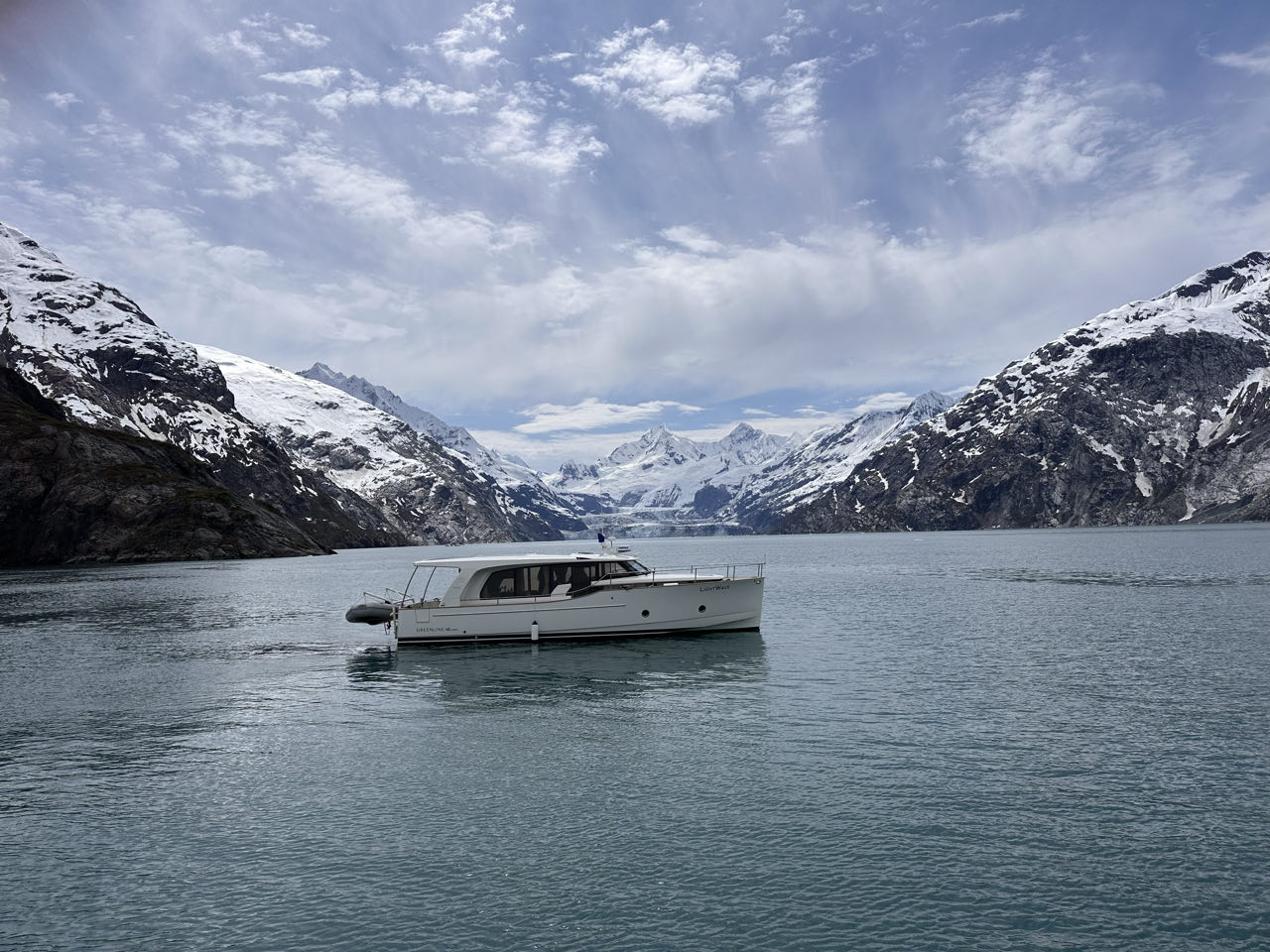
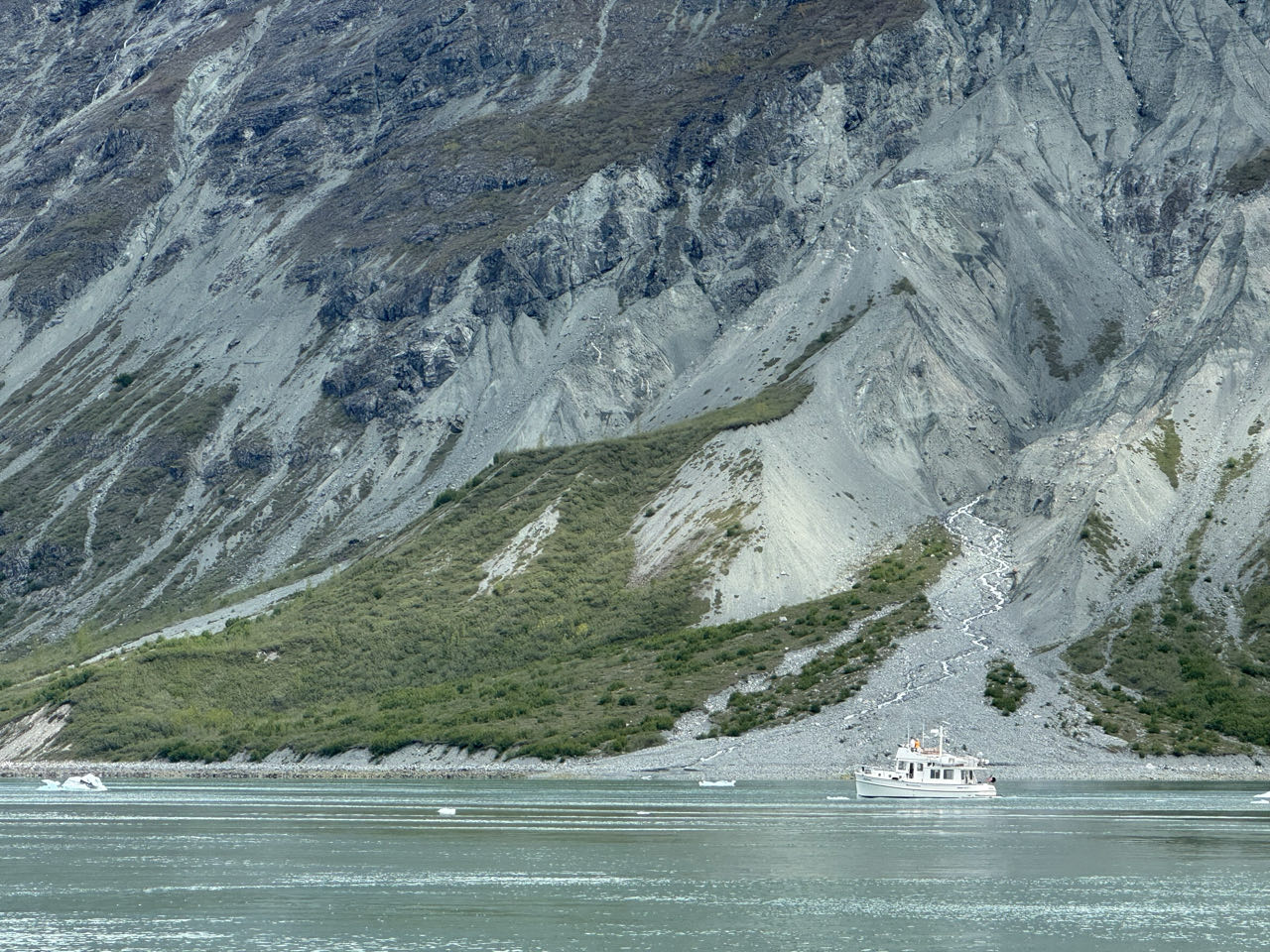
Glacier Bay National Park: From Blue Mouse Cove to Reid Inlet, the experience was nothing short of magical. “Slaloming silently through icebergs using electric mode,” said Reed, “was the most special moment of the trip.”
-
Fords Terror: A legendary fjord accessed through a narrow tidal rapid. The group timed their entry carefully, witnessing towering walls and otherworldly silence.
-
Baranof Warm Springs: “This was one of those places where everything just came together,” said Reed. A short walk from the dock led to a naturally heated hot spring beside a roaring waterfall—a surreal and rejuvenating experience.
-
Sitka: With three days to explore this historic town, the flotilla relaxed, resupplied, and prepared for the long route home.
-
Misty Fjords & Punchbowl Cove: Dramatic cliffs and mist-laced valleys defined these unforgettable final days in Alaska.
THE RETURN THROUGH CANADA
The homeward journey traced a similar path, but with fresh perspective and deeper appreciation for the rhythm of cruising life. Highlights included:
-
Lowe Inlet, Butedale, Shearwater: Ideal anchorages and layovers that allowed the group to reconnect and recharge.
-
Prideaux Haven & Roscoe Bay: Idyllic summer hideaways perfect for kayaking, swimming, and hiking.
-
Vancouver: A vibrant contrast to the wilderness behind them, the city offered a splash of urban culture before crossing back into U.S. waters.
BACK TO FRIDAY HARBOR
After nearly 9 weeks of travel, Light Wave and her sister ships made their final stops at Semiahmoo, Sucia Island, and finally back to Friday Harbor. The journey was complete—but the experience, unforgettable.
Q&A WITH CHRIS REED – CAPTAIN OF “LIGHT WAVE”
1. What made you choose the Greenline 40 for this Alaskan adventure? Was there something about it that felt right for the kind of trip you had in mind?
The Pacific Northwest is a great place to cruise, especially if you enjoy wilderness and wildlife. My wife and I had spent the previous 7 summers renting out our house and moving onto our Beneteau 40 sailboat cruising the region. What we learned from that experience was that “sailing” in the PNW summer is generally motoring, and when the weather does turn you don’t want to be in an open cockpit in 4 foot seas and heavy rain.
On our bucket list was a trip to Alaska. A number of our yachting friends had done the multi-month trip and spoke highly of the experience. The trip is not without challenges – several open ocean crossings, long wilderness runs, inclement weather, logs and ice. We felt we needed to switch to a cruising powerboat to be properly prepared for the conditions we were likely to experience. At the same time, we wanted to have a boat that was more ecologically sound (efficient) than some of the typical trawlers that ply these waters getting 1.5-2 nautical miles per gallon of fuel.
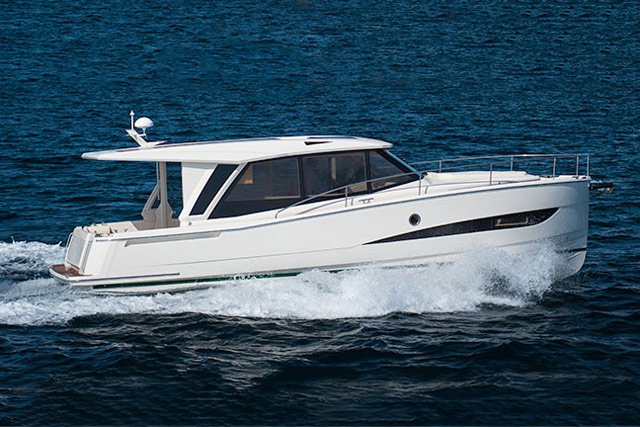
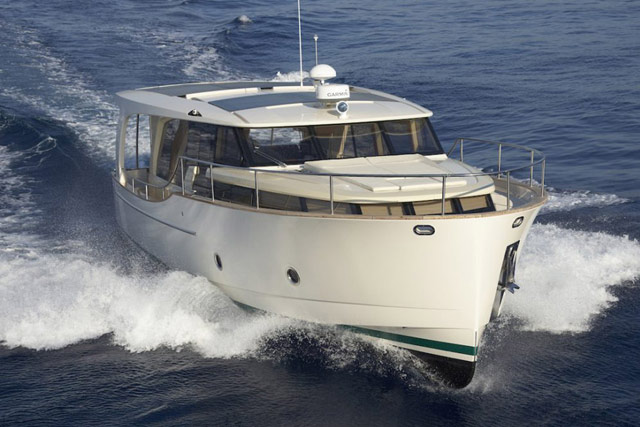
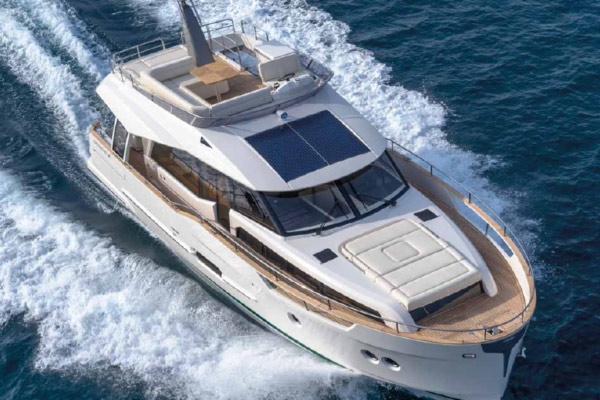
The Greenline 40 Hybrid met our overall criteria of being a boat comfortable enough to live aboard for months at a time as well as robust enough for the rigors of Alaska.
2. What did it feel like to wake up on the boat in such remote and beautiful places?
We made it a habit of cruising the last few miles into a secluded anchorage in electric mode. You just felt better connected to the natural environment without the roar of the diesels. Once on anchor everything is quiet, the solar array generates enough power to meet ones needs. All the better to enjoy the sounds and sights of the wilderness around you.
3. Can you share a moment when cruising in electric mode felt extra special?
Perhaps the most special moment was silently slaloming around icebergs in front of the glaciers in Glacier Bay, scooping up “bergie bits” for use in future libations
GREENLINE 40 LAYOUT
4. How did the layout of the Greenline 40 support your life onboard?
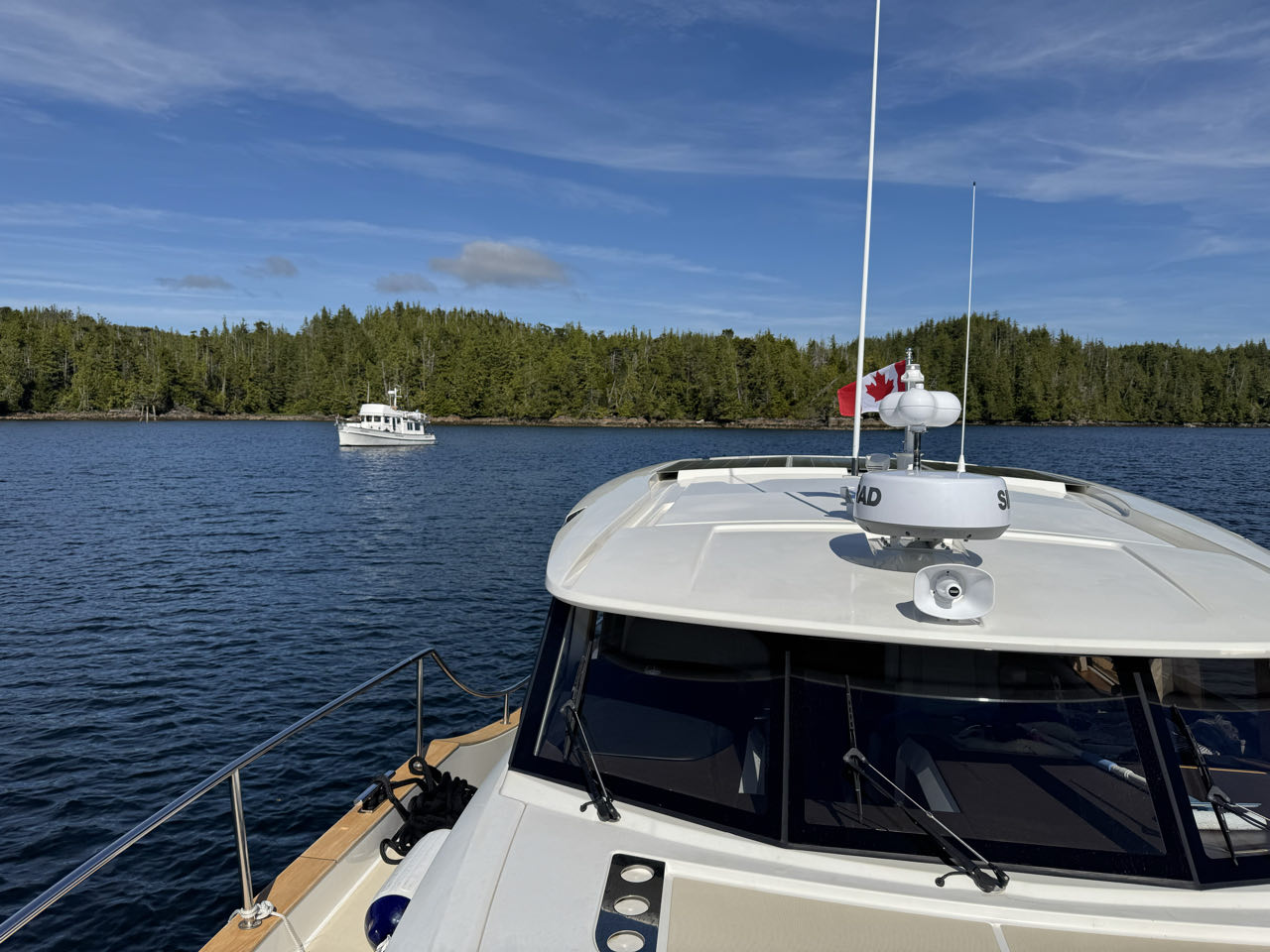
The open plan of the Greenline combined with the extensive windows makes for a very comfortable lounge while on-board. The rear “garage door” goes up in warm weather providing a more expansive feel. In our opinion this contrasts favorably with the chopped up, multilevel configuration of most northwest tug designs. We became the “party boat” for our small flotilla, the host for group meals, conversation and card games.
5. Any features that turned out more useful than expected?
In conversation with our fellow flotilla members we realized that we didn’t experience the anxiety and stress they had about house battery capacity and running their generator. We never lacked for power or had to do any power management of our appliance or Starlink.
We also got some psychological security in that we effectively had 4 engines (2 diesel, 2 electric) for redundancy should trouble arise. We didn’t experience any engine trouble but 2 companion boats did, putting them out of action, at least for a time. One faced a $15,000 towing bill
ROUGH CONDITIONS
6. Alaska can be unpredictable. How did the Greenline handle rougher conditions?
The biggest challenges were the crossings (Cape Caution, Dixon Entrance) where one is exposed to the open ocean for 40 miles or more, as well as the Strait of Georgia. One needs to trade-off exposure to rougher conditions vs. waiting for calmer weather. Boats only a few days behind us were blocked by conditions in the Strait of Georgia for a week. While we rarely cruised above our hull speed of 8 knots for efficiency reasons, having the ability to speed up and make crossings quickly in the calmer early mornings was something we took advantage of.
We heard from companions that the Greenline seemed to rock less in the higher beam seas than their tugs. This may have been because of the Greenline’s lower center of gravity and skegs.
7. Was there a place along your route where everything just came together and you thought, this is exactly what we hoped for?
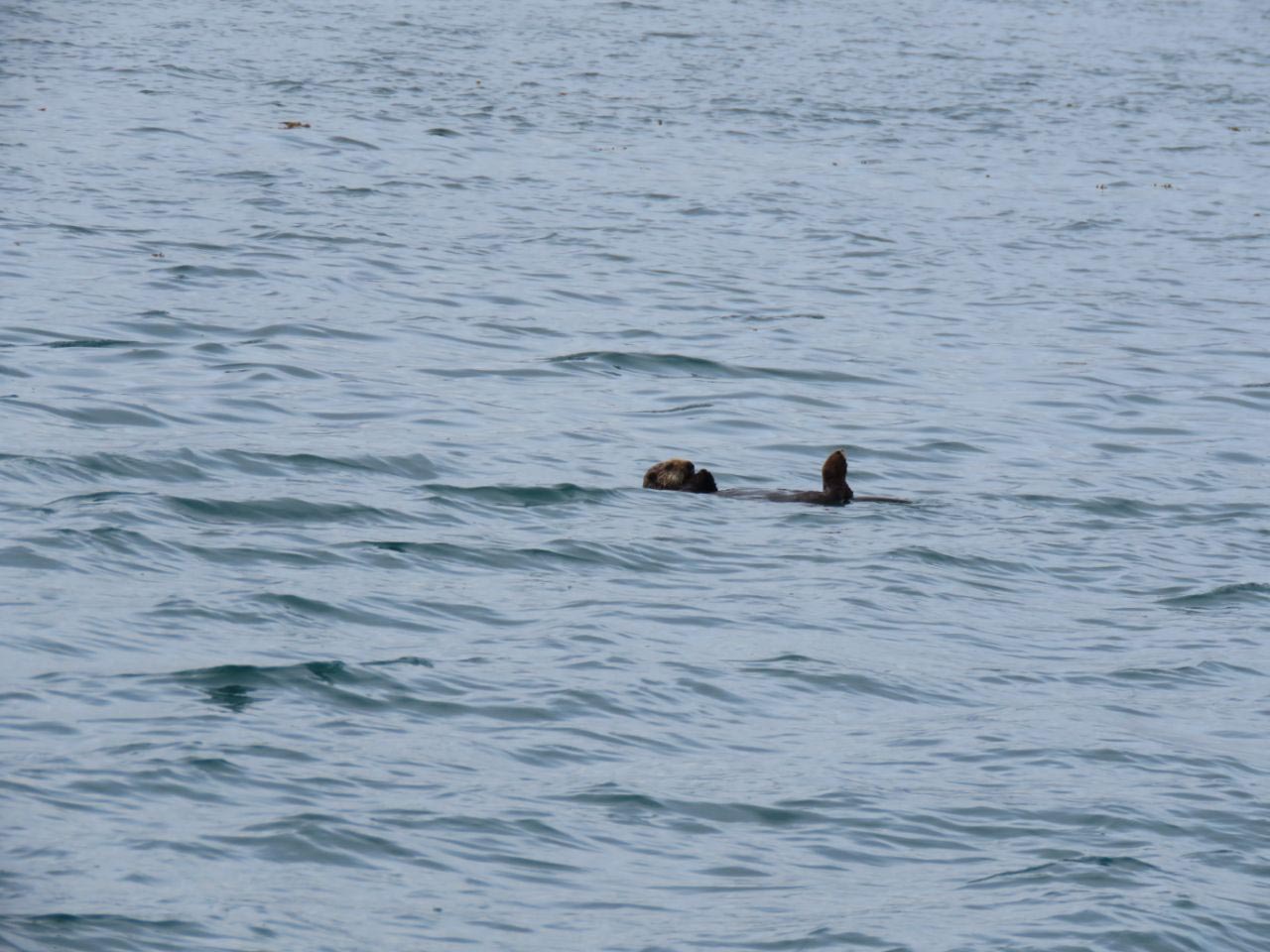
A small hamlet called Baranof Hot Springs had a beautiful walk to bathe in a natural hot springs next to a raging waterfall, a magical experience. Watching a grizzly bear forage on the shore in a glacial fjord was another special moment among many.
SOLAR ENERGY
8. How did the solar panels and battery system affect the way you traveled and how long you could stay off-grid?
Having effectively unlimited house power increased our comfort, allowing us to us Star link, TVs, air fryers, electric blankets with the same abandon as we would at home. We would typically use only 5% of our battery capacity overnight.
Because we were cruising on diesel, we averaged 45 miles per day, we would arrive with fully charged batteries. The solar array doesn’t contribute significant power when the batteries are at a high state of charge. If we cruised into an anchorage on electric, depleting the batteries, we would see the solar array increase the battery state of charge by about 10-15% on a long sunny day.
9. After completing this journey, what does the Greenline 40 mean to you now, and how has the experience shaped the way you think about boating and adventure?
Coming from the sailing world I would say the largest change is just the feeling of comfort and security you have with the Greenline. The greater enjoyment of the boat encourages one to use it more and stretch one’s goals to encompass an adventure like a 2500 mile cruise to Alaska.
Conclusion: A Boat That Enables the Journey
Summing Up - Chris Reed’s trip aboard the Greenline 40 Hybrid wasn’t just a vacation—it was a statement. That boating can be efficient, comfortable, and environmentally conscious without sacrificing adventure. This voyage demonstrates how the right boat can turn a dream into a reality.
So, if you’re thinking about pushing your boundaries—or if Alaska is on your horizon?— consider the boat that took Light Wave there and back, quietly and confidently.
READY TO PLAN YOUR OWN ADVENTURE ?
Contact us to learn more about the Greenline 40 Hybrid.
Greenline 40 360 Video immersive Tour
Greenline 40 Brochure Download